
2025-26 year in review
Published:
The Research in Practice review highlights our programme of work and impact across the sector.
Research in Practice work with and for professionals in the social care, health, criminal justice and higher education sectors offering resources, learning opportunities and specialist expertise.
We aim to support their learning to enable people – children, young people, families, adults, carers and communities – to live good lives. Our annual review showcases and demonstrates our work to support evidence-informed practice.
At a glance
‘Our annual report comes during a particularly busy time for colleagues across the sector. We are proud to support professionals across the country to do their very best for children and young people, families and adults, against a backdrop of political uncertainty, strained resources and a very busy policy landscape.
Research in Practice has had another busy year, continuing to deliver high-quality and evidence-informed learning resources and opportunities to our network of Partners. As ever, we have blended expertise from practice, academia and lived experience to create extensive learning resources that support understanding around working with autistic parents, exploitation of adults, good decision-making, Safety Matters and using attachment theory in children’s social care. We have provided support for colleagues on the national reforms in child and family services, such as bringing learning together around Supporting Family Help Lead Practitioners and sharing learning from across the sector. We are delighted to continue to support the Principal Social Workers, Principal Occupational Therapists, and Approved Mental Health Professional Leads Networks.
We are pleased to have led some valuable national projects this past year. This included a research project on children and young people at risk of being deprived of their liberty, and updating the Tackling Child Exploitation (TCE) Support Programme multi-agency Practice Principles. Our work on Transitional Safeguarding included a briefing for sector leaders with support from ADCS, ADASS, Partners in Care and Health and Professor Christine Cocker. We also published our report on the emerging use of Artificial Intelligence (AI) in social work education and practice in England.
Research in Practice is a proud member of the National Children’s Bureau family. We have been benefitting from our colleagues’ expertise, and working together in new areas, including workshops on upholding the rights and entitlements of disabled young people leaving care, and resources to support parents with a learning disability.
Lastly, with too many communities affected by violence and divisive rhetoric, it is evermore vital that we are grounded by the evidence and our ethics. Against this backdrop, we feel privileged to support the workforce in prioritising people’s needs and championing social justice’
Dez Holmes, Director of Research in Practice


At Research in Practice everything we do is designed to equip individuals and organisations with the knowledge, skills and confidence to apply evidence in their work, improve outcomes and enable people to live good lives.
Our work brings together research evidence, practice wisdom and expertise from people’s lived experience. We do this by:
- Understanding the latest research evidence.
- Speaking to professionals across the sector about practice wisdom and current issues.
- Listening and learning from people's lived experience.
We then work with experts to create learning opportunities and resources on relevant topics; tailored to the learning needs of individuals and organisations.
As part of membership to Research in Practice, Partners have access to our comprehensive online library. This includes digital publications, podcasts, videos, learning hubs, and regular updates on the latest news, views, and case law. Our national programme of learning events, conferences and webinars support professional networking and development on pertinent social care topics.

Research in Practice is a proud member of the National Children’s Bureau family. We have been benefitting from our colleagues’ expertise, and working together in new areas, including workshops on upholding the rights and entitlements of disabled young people leaving care.
Supporting children and young people means understanding and supporting the adults around them – parents, carers, wider families and professionals. When we work with adults and families, we gain a richer picture of how to help children thrive. Across the NCB family we reflect this holistic approach with dedicated work on Transitional Safeguarding, kinship carers, families experiencing recurrent care proceedings, pre‑birth support, those affected by parental bereavement and more.
We also continue to collaborate on the Working Together with Parents Network, supporting professionals working with parents who have learning difficulties and learning disabilities. The project is bringing together knowledge of adults and children’s social care. In addition, a research project by Research in Practice for the Department for Education on improving the outcomes of looked after children and young people in complex situations with multiple needs, at risk or subject to a Deprivation of Liberty.
We want to ensure that the voices of people with lived experience – children, young people, adults and families – shape the national conversation. Their insights are essential to building a more connected and united vision of social care. We look forward to continuing our work to support and protect people of all ages, strengthening services across the life course.
The evidence-informed work delivered by Research in Practice over the past year has contributed rich expertise and deep analysis to NCB’s knowledge of the systems that support people. We are seeing clear patterns linking experiences in childhood with outcomes in adulthood through, for example, research on deprivation of liberties, Transitional Safeguarding and using attachment theory in children’s social care. Our aim is to combine Research in Practice’s expertise with NCB’s policy influencing to achieve lasting change in the systems and practice that affect people’s lives. This year we moved that a step closer by appointing Dez Holmes as Deputy Chief Executive with oversight for all NCB’s evidence generation and implementation, combined with her Research in Practice Director post.
Anna Feuchtwang, Chief Executive Officer at National Children’s Bureau
30 years of Research in Practice

2026 marks 30 years of Research in Practice support for those working with children and families, and 21 years with adults and carers.
The social and political landscape has developed and changed significantly during this time. We have responded to changes in policy and practice, supported the implementation of new and evolving government priorities, and helped practitioners and leaders across the country embrace the transformational impact of evidence.
We continue to work with and for professionals in the social care, health, criminal justice and higher education sectors offering resources, learning opportunities and specialist expertise. Our aim has always been, and will be, to support their learning to enable children, young people, families, adults, carers and communities to live good lives.
Research in Practice: Our evidence-informed journey
We are looking back at our journey as an organisation, reflecting on our evidence-informed journey. At Research in Practice our aim has always been, and will be, to support their learning to enable children, young people, families, adults, carers and communities to live good lives.

Our Partner network steers our work - comprising of local, national and voluntary organisations, and universities across England.
The wide range of topics covered by Research in Practice have allowed staff to explore various areas of interest, broadening their knowledge and skills. Whether it is exploring new methodologies, understanding best practices, or staying updated with the latest research findings, the resources have proven to be an indispensable tool in my professional toolkit. In summary, my experience with Research in Practice resources has been overwhelmingly positive. The high-quality content, practical application, and user-friendly platform have significantly contributed to staff’s professional development. I would highly recommend Research in Practice to anyone seeking to enhance their knowledge and skills in their respective fields.
Lisa Wallace, Link Officer for Southampton City Council
We are proud to work with our membership network of nearly 200 local, national, and voluntary organisations, and university partners, supporting their learning journey across a broad range of thematic areas.
Partner organisations have full access to our learning offer that includes events, conferences, digital publications, podcasts, videos, learning hubs, and regular updates on the latest research evidence, policy and case law.
Our university membership offers students, course leaders and researchers access to peer-reviewed publications, multimedia learning resources, engagement activities and support.
We strive to support our Partners to work together – exchanging knowledge, learning and innovation across geographical or service boundaries. To facilitate this, each organisation has designated Link Officers who act as the vital bridge between Research in Practice and our network. They share ideas, connect colleagues and mobilise knowledge to their members.
Link Officers are indispensable in championing evidence-informed practice within their organisations. They take the lead role in making sure our offer is used as fully as possible to underpin practice, decision-making and achieve maximum impact. Each year our Link Officers’ Annual Meeting (LOAM) brings key colleagues together to consider the key issues they are facing. In 2025, we focused on how Link Officers can promote innovative and effective learning and development.
In this video, hear directly from Link Officers about how they use Research in Practice to support learning and development in their organisations.
Really superb session - the way you managed the event online made it engaging, the facilitation of activities online while the in-person event was going on was expertly handled, our inclusion in the event and the seamless move from online work to the viewing of the event – really, really well done! Thank you.
LOAM online delegate
Research in Practice offers a rich library of resources—podcasts, briefings, learning pathways—that are accessible and relevant to the reality of social care practice. Whether it’s exploring legal literacy, trauma-informed approaches, or leadership development, the platform consistently helps us bridge the gap between research and practice.
Fiona Havord, Principal Social Worker, Oxfordshire County Council
We support organisations to embed professional learning and development by offering an extensive national programme of events, online workshops, conferences and bespoke learning to meet organisational needs.
Our rolling programme of member engagement activities support Partners to access learning and development opportunities and grow engagement with Research in Practice within their organisations. Popular Practice Pointers sessions explored supporting difficult conversations in social care, analysis and critical thinking in assessment and intersectionality.
Our extensive menu of online learning workshops provide an effective and engaging way to deliver professional development directly to organisations. Designed in consultation with the Research in Practice network, the menu includes popular topics for practitioners and managers working with children, young people, adults, and families. We delivered over 200 workshops. Popular topics include building resilient teams, working with risk, effective recording, analysis and critical thinking in assessment and working with families where building relationships is challenging.
Our ‘Learn and deliver’ programme supports colleagues providing learning and development, to enhance their knowledge of learning theory, build online facilitation skills and develop their own bespoke learning sessions using Research in Practice resources.
The session took an inclusive approach by using accessible language, offering varied ways to participate, and drawing on examples that reflected different backgrounds and lived experiences. The facilitation style encouraged balanced contributions, actively brought quieter voices into the discussion, and created a respectful space where differing perspectives were acknowledged.
Workshop attendee
Continuing professional development (CPD) enhances professional attributes, knowledge, understanding and skills. Our learning resources provide guidance on the recording, registration and regulation of CPD and support you to use evidence and to develop in your role.
The resources below support social workers and occupational therapists to maintain and record their CPD.
Supporting practice supervisors and leaders
Our Leadership Development Programmes are aimed at those who have responsibility for leading practice and supports the development of leaders through interactive workshops, small group reflective sessions and individual mentoring.
The aim is to develop social care practice supervisors and leaders of practice with adults, children and families and their communities.
We have also continued to support the Principal Social Workers, Principal Occupational Therapists, and Approved Mental Health Professional Leads Networks.
Equity and diversity
An integral part of social care practice is protection and promotion of the rights of adults, children and families. Central to this is ensuring that people of all ages, with all of their diverse characteristics, have equality of opportunity and are not excluded or discriminated against.
The whole programme has been really useful and identified a big range of future learning to be undertaken to be an effective supervisor - so much to reflect on and delve further into. So much more to learn and be more active / proactive about.
Supervisor development programme delegate
Research in Practice and the National Children’s Bureau are fully committed to the active promotion of Diversity, Equity, and Inclusion (DEI) in all our practices, in the work that we undertake, and in the provision of our services.
We also continuously look at the work we produce to develop appropriate digital accessibility polices, process, standards that ensure accessibility is considered in technology procurement, deployment and use. This ensures all material we produce are accessible.
Supporting Transitional Safeguarding in local areas

Transitional Safeguarding is not just about ‘transitions’ in the sense of transferring from children’s to adults’ services – it’s about recognising the unique and evolving needs of all young people aged from their mid-teens into their mid-twenties. Every young person’s journey into adulthood is shaped by their experiences, circumstances, and development. And ‘eligibility’ is not the only consideration when building a support system for young people.
The concept of Transitional Safeguarding has been developed by Research in Practice, informed by learning from those who have pioneered approaches such as Contextual Safeguarding and Making Safeguarding Personal. It reflects growing evidence that too many young people enter adulthood facing risk and harm without effective support.
We are also working with University of East Anglia to deliver a series of national communities of practice (CoP) to support systems change in relation to Transitional Safeguarding. The CoP are aimed at people who are engaged in systems change and they have been well received.
Supporting Transitional Safeguarding in local areas
Wherever you are on your local journey and whatever kind of help you need – know that we are here to support you.
Find out more
Read
- Transitional Safeguarding briefing for sector leaders: Strategic Briefing
- Transitional Safeguarding: transformation, not just training
- The Cards You’re Dealt: Amplifying the voices of young people with care experience
- Promoting a positive sense of self with children and young people
- Why we need to hear from care-experienced young people
Building practice across the lifespan
While children’s and adults social care professionals often face distinct challenges from one another, they share many structural and organisational challenges.
They also have shared opportunities to develop and embed practice approaches that can be drawn on by professionals across both sectors to enhance the support provided to children, families and adults drawing on care. Areas include reflective supervision, appreciative inquiry and narrative practice. These learning resources explore how to build good social work practice across children’s and adults services.
- Poverty and working across the life course
- Finding hope and Harambee
- Enabling prevention and strengthening leadership in Brent Council
- Prevention as a paradigm shift
- Beyond the slogan: the reality of building trauma-informed social care organisations
- Legal precedent – it’s not what it used to be
- Building better together: harnessing the power of research in local authorities
- Poets, leadership and surfing
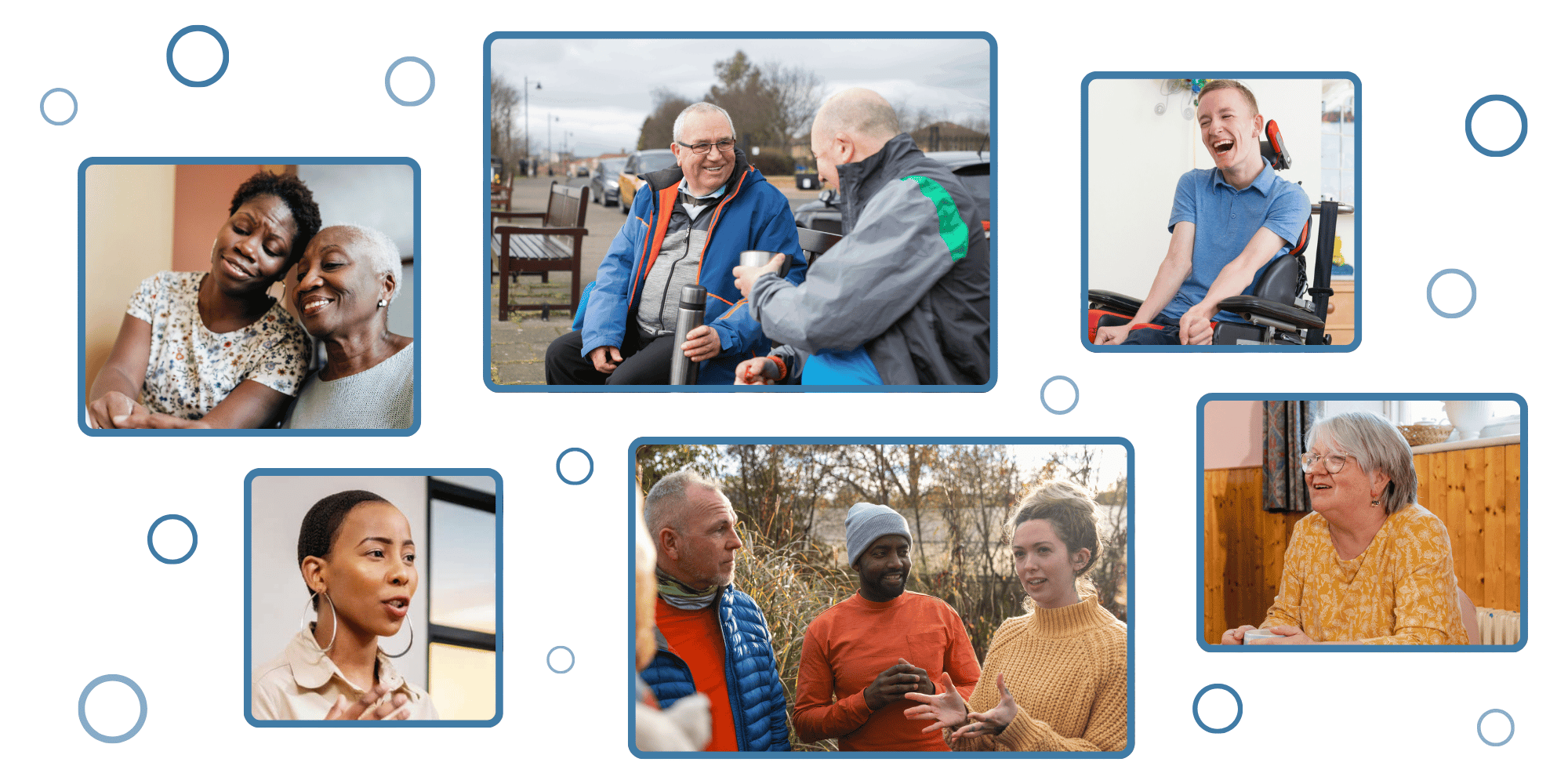
Research in Practice offers a very comprehensive variety of learning opportunities for our practitioners to further their understanding and development of social work practice, using an easy and accessible website. The content is always of a high standard, and the different platforms of learning - be it quick snap shots of hour-long practice pointers, reading briefings or webinars - make fitting in learning opportunities into busy day to day social work practice manageable and effective. Being part of Research in Practice is a valuable resource for us and highly recommended.
Jo Angrave, Link Officer for Leicester City Council
Developed in consultation with our national adults Partnership Network our resources reflect the needs and priorities of the sector.
We work collaboratively on a range of partnership programmes that aim to innovate excellent practice and build capacity across the social care sector. We have created digital publications, podcasts, online resources and more on:
- Adult exploitation
- Co-production and strengths-based working
- Good decision-making in adult social care
- Safeguarding and poverty
Supporting the adult social care sector
Adult social care policy is starting a journey of significant change. This year has brought a series of important developments, including early recommendations from the Independent Commission on Adult Social Care Reform, implementation of the Mental Health Act 2025, the future of the Terminally Ill Adults (End of Life) Bill, and other developments relating to mental health, autism and ADHD.
The government has agreed to set up a new National Safeguarding Board to be responsible for policy on adult safeguarding at a national level, including learning national lessons from Safeguarding Adult Reviews, and to undertake an urgent review of statutory adult safeguarding duties. The move is in response to early recommendations from Baroness Casey, Chair of the Independent Commission on Adult Social Care Reform. We outlined our response to Casey’s recommendations at Research in Practice.
We have been working and producing content that supports practitioners to navigate complex mental capacity decisions. We have also been monitoring the sector following the landmark judgment by the UK Supreme Court - A Reference by the Attorney General for Northern Ireland [2026] UKSC 16.
This decision overrules Cheshire West and Chester Council v P [2014] UKSC 19 and replaces the well-known ‘acid test’ with a new approach grounded more closely in European human rights law. We are reviewing our resources in mind of this legal shift.
Adult exploitation
It was a really engaging conference that I would highly recommend. It was good to talk with other professionals who have similar experiences in this area of work and the good work people are doing in other areas.
Adults Partnership Conference delegate
Exploitation involves the abuse of power and control held by a person or group over an individual to manipulate and maltreat them, frequently for the purpose of personal gain. Exploitation can manifest in numerous ways, which may co-exist and overlap. Individual experiences of exploitation can differ, along with the responses they receive from services.
Our 2026 adults Partnership Conference explored taking a life course perspective to adult sexual exploitation. A new digital resource introduces the exploitation of adults, particularly those who experience multiple needs and exclusions. It aims to support readers across social care specialisms as we work together to formulate effective service responses.
Adult exploitation
This resource provides an introduction to the exploitation of adults, particularly those who experience multiple needs and exclusions.
Co-production and strengths-based working
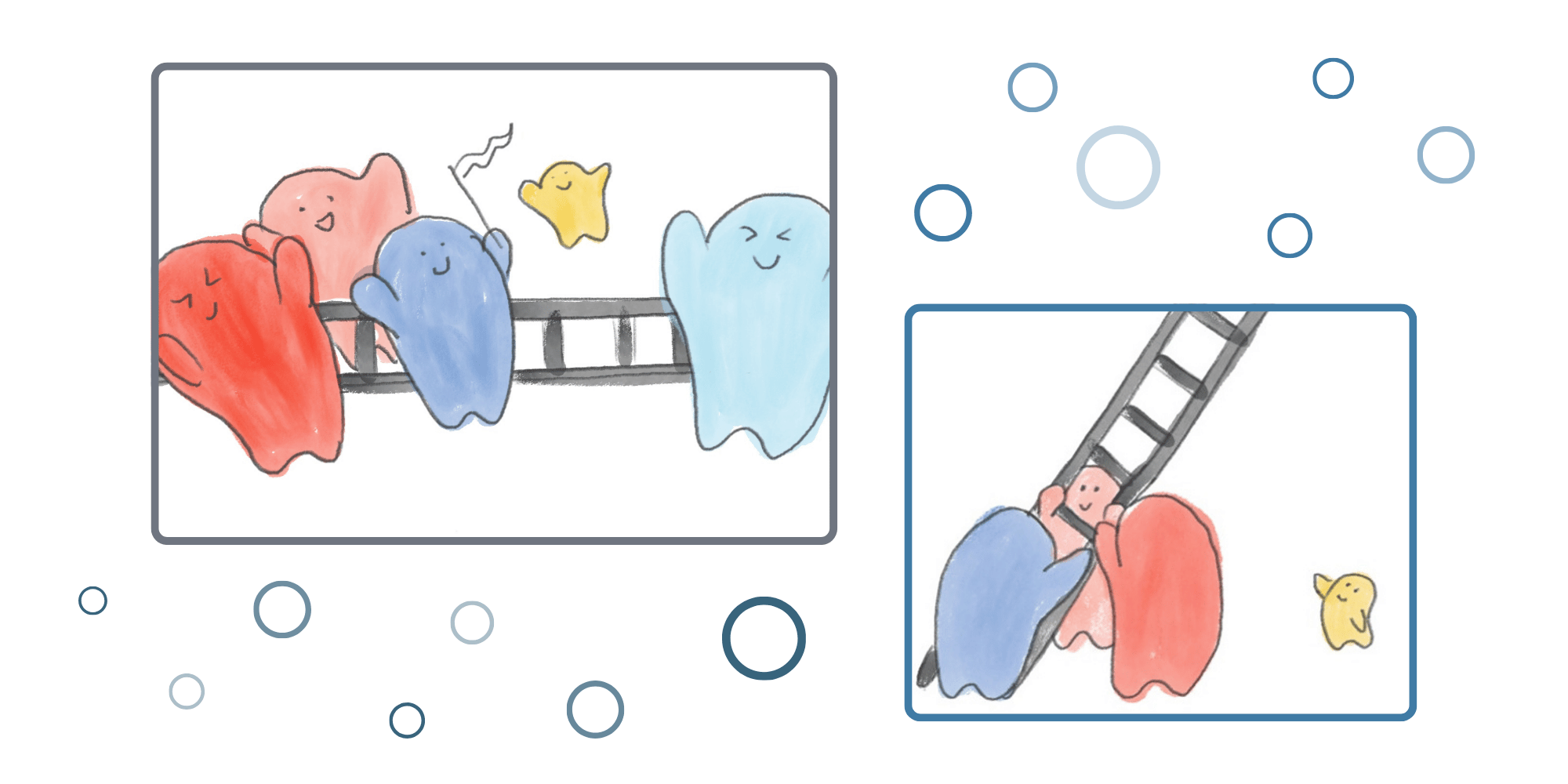
Strengths-based working focuses on people's strengths, including their knowledge, skills and capabilities. By working in this way, it is possible to enable and empower individuals. Effective co-production strengthens relationships between practitioners, academics, and people with lived experience.
A Research in Practice resource provides guidance and support to develop practice. Co-production involves people coming together as equals to make decisions and create services that work for them.
The new co-produced resource supports anyone interested in planning, running, or evaluating a co-production project. It outlines the definitions, celebrates the approach, and explores how projects can aim for the highest levels of co-production
The mark of co-production
The mark of co-production is a tool to help anyone interested in planning, running, or evaluating a co-production project.
Good decision-making in adult social care
The decisions we make directly impact our lives. In adult social care, practitioners are expected to make good decisions every day. These decisions have a direct impact on the people they support. Therefore, good decision-making is a crucial skill.
Our updated resource aims to support practitioners working with adults and carers who draw on care and support, to improve their judgements and decision-making so that experiences and outcomes are better for people who draw on social care.
Good decision-making in adult social care
This resource aims to support practitioners working with adults and carers who draw on care and support, to improve their judgements and decision-making.
These learning resources aim to improve judgments and decision-making when supporting adults and carers. We held a series of popular workshops that explored the updated resources.
We examined the foundations and principles to underpin good judgement and look specifically at how to work through dilemmas arising from limited resources, high-risk situations, and technology. These learning resources aim to improve judgments and decision-making when supporting adults and carers.
Safeguarding and poverty
Safeguarding adults means protecting a person’s right to live in safety, free from abuse, neglect, violence and exploitation. Effective safeguarding is enabled through relational working which promotes individuals’ wellbeing and reduces both the risk and experience of abuse and neglect.
Safety Matters is a suite of digital resources that introduces key themes in safeguarding adults. They draw upon learning from people's lived-experience, practice wisdom and research evidence to inform approaches to safeguarding adults. These learning resources aim to support practitioners who work with adults to identify risks, build strengths and prevent harm.
Safety Matters
These resources draw upon learning from people's lived-experience, practice wisdom and research evidence to help inform approaches to safeguarding adults.
Hoarding has become increasingly acknowledged as a widespread safeguarding challenge for practitioners in health and social care. A popular series of workshops supported practitioners to develop and strengthen their skills and approaches to working with people who hoard, focusing on embedding a risk perspective and rights-based approach.
We also held a series of workshops that discussed different definitions of poverty and ways of measuring poverty, considering who is most impacted and looking at the various intersections between different aspects of identity, class and income.
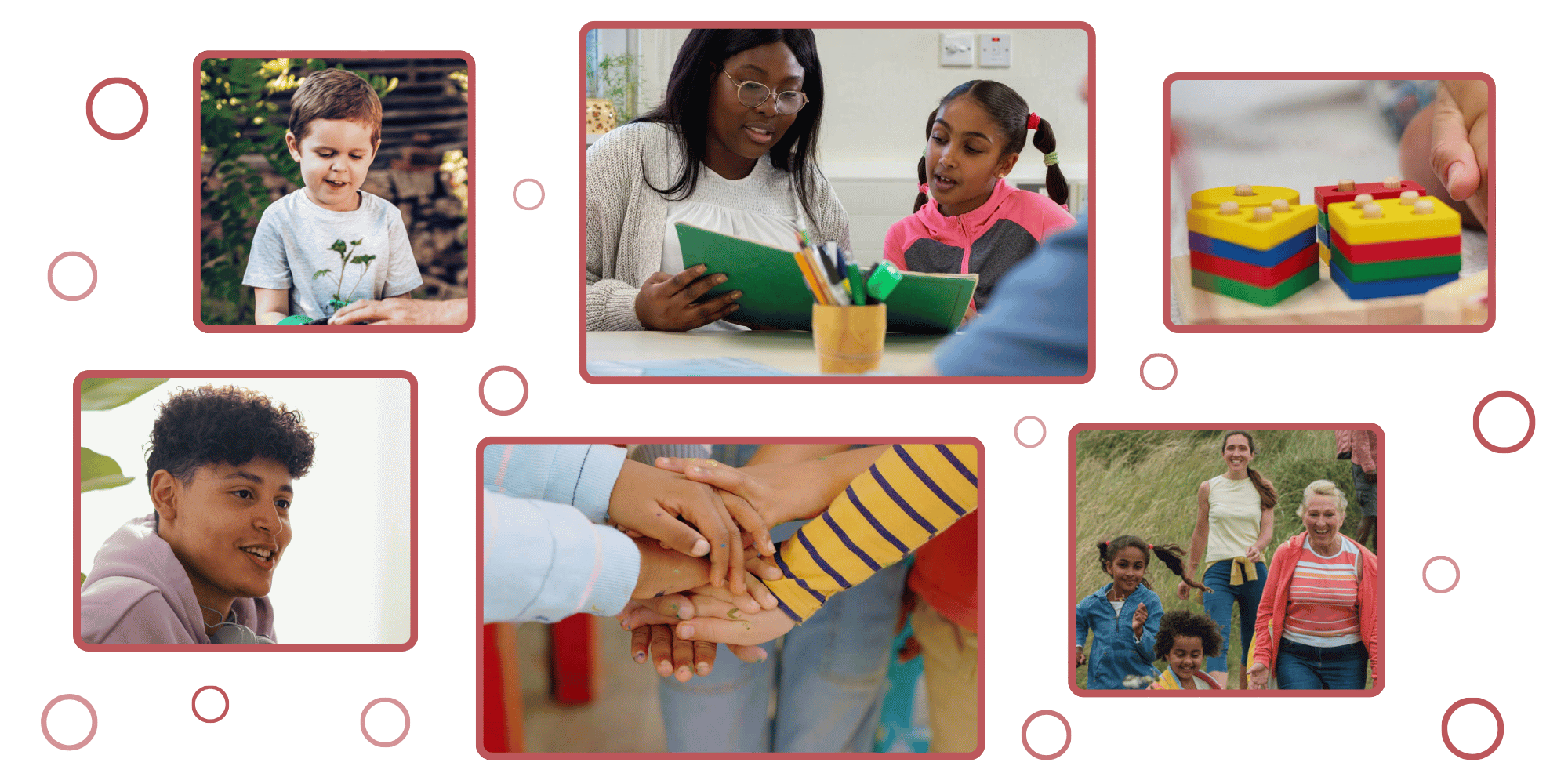
As Principal Social Worker, I’m continually seeking high‑quality, evidence-informed support that strengthens our practice and enhances outcomes for the individuals and families we serve. Research in Practice has become an indispensable partner in that goal. Through our Research in Practice membership, we’ve gained access to future-facing learning materials - videos, podcasts, case law, briefings, and modular training - that support continuous professional development and strategic learning tailored to our context. I particularly appreciate their bespoke consultancy offerings – whether commissioning targeted workshops, strategic planning support, or evaluation of impact - that have helped our organisation refine policy and practice approaches with confidence and clarity.
Helen Lea, PSW at Liverpool City Council
The landscape of child and family services in England is undergoing a period of sustained reform, driven by a commitment to earlier intervention, stronger cross-sector partnerships, and a shared ambition to help children thrive within their families and communities wherever it is safe to do so.
Developed in consultation with our national children & families Partnership network our resources reflect the needs and priorities of the sector during this time of change. We work collaboratively on a range of partnership programmes that aim to innovate excellent practice and build capacity across the social care sector. We have created digital publications, podcasts, online resources and more on:
- Working with parents and families
- Safeguarding children and young people
- Child development
Supporting the sector through change
Underpinning the national reform programme are the Families First Partnership (FFP) Programme. Our 2026 children and families Partnership Conference explored how reforms are being embedded locally with a focus on keeping children at the centre of practice.
The conference examined how children and families’ voices are shaping policy and practice, and how local partnerships are translating national reform into meaningful, practical improvements on the ground.
It made me feel optimistic that these reforms might actually improve famlies' experience of social work intervention and helped me understand what they might look like in practice. It was great to hear that the changes have improved retention and get a sense of people's pleasure in doing purposeful work.
Children and families Partnership conference delegate
One of the key changes introduced by the Families First Partnership (FFP) programme is the creation of the Family Help Lead Practitioner role (FHLP). These practitioners will lead Family Help, bringing together targeted early help and child in need support. Explore a digital resource designed to support Family Help Lead Practitioners move into their new role.
The resource draws together learning materials on three key topics: supporting effective analysis, working with risk and uncertainty, and defensible decision-making.
Supporting Family Help Lead Practitioners
Explore a resource that brings together learning materials to support Family Help Lead Practitioners, focusing on supporting effective analysis, working with risk and uncertainty, and defensible decision-making.
Working with parents and families
Meaningful engagement with children, young people and families and their networks is the golden thread that runs through the system of family help and support and is at the heart of the Families First Partnership programme.

Professionals within children’s social care have a responsibility to work with families where a child’s welfare or safety is a concern. The Children’s Wellbeing and Schools Act 2026 has made family group decision making in pre-proceedings a statutory duty. In January-March we ran workshops in Partnership with Family Rights Group on Group Conferences to enable family led decision-making Using Family, complementing our existing set of video resources.
We built upon a robust and growing body of work to support implementation and engagement with our suite of resources on working with pre-birth across social care and health through a range of learning events including webinars and workshops that explored effective and compassionate practice in pre-birth work.
Our blog on strengthening support for parents, following the Baby Victoria review sets out the ways in which Research in Practice and the Segelman Trust grant funded Supporting Parents Community of Practice, are actively contributing to significant policy shifts in relation to working with parents who have children removed from their care in public law proceedings. A refreshed web hub, bringing this body of work together will launch in the autumn.
We also produced new resources that aim to enhance practice understanding of autism and facilitate practice that is inclusive of Autistic parents. These resources support practitioners in developing inclusive and strength-based approaches.
Such an important resource! While autism awareness has grown significantly, the lived realities of Autistic parenting are still so intricate and nuanced. This neuroinclusive Practice Guide, shaped directly by Autistic parents, is exactly what we need to move toward strengths-based, socially just support. Huge thanks to Jenni Guthrie, Research in Practice, and all the Autistic parent contributors for creating practical tools that will help families feel truly heard and supported. Valuable reading for practitioners.
Research in Practice Partner on Working with Autistic parents briefing
The learning resources below aim to support practitioners to build collaborative, purposeful and productive relationships with parents and families across children’s social care.
Read
- Legal expertise and fact-finding in children's social care
- Learning from NSPCC’s Together for Childhood
- Risks, rewards and supporting social workers who are mothers
- The hidden cost of trauma: maternal mental health and child removal
- What do social care reforms mean for Autistic children and families?
- Working with Autistic parents: Frontline Briefing and Practice Guide
Child development
Child development typically occurs in a series of stages defined by physical, cognitive and emotional milestones. Having a sound understanding of these is essential to effective social work practice with children and families – supporting appropriate assessment of need, risk and intervention. Our Better Start briefings explored how effective support for families is vital in improving child development and outcomes.
Attachment theory is considered one of the ‘cornerstones’ for understanding the development of family and social relationships.
A series of popular workshop examined current evidence on attachment theory in social care practice building on our suite of resources on attachment theory and it’s use in social care. These workshops explored key principles for practice, supporting practical application and considerations.
Safeguarding children and young people
This is such vital work, and thank you for bringing attention to it. The fact that we're now having open conversations about race and racism in child safeguarding shows real progress and commitment to doing better.
Research in Practice Partner on Is racism impacting our ability to safeguard children
In order to identify risks, build strengths and prevent harm, practitioners working with children, young people and families need to be equipped with knowledge and skills to work effectively in multi-agency safeguarding partnerships.
Work this year explored how structural inequalities such as racism and poverty influence our safeguarding practices.
Listen
Read
- Children Coming into Our Care: A compassionate, trauma-informed approach
- Deprivation of Liberty: Children and young people - A review of legal frameworks
- Safeguarding children and young people in the youth justice system
- Is racism impacting our ability to safeguard children?
- Why we need to hear from care-experienced young people

We work collaboratively on a range of partnership programmes that aim to innovate excellent practice and build capacity across the social care sector.
While each programme has a different focus – all aim to increase the use of evidence-informed, emotionally intelligent and systemic approaches. We are strongly committed to sharing these learning approaches widely and have made learning open to access to enable all practitioners, researchers and people with lived experience of social care and the allied sectors of health, justice and education access.
This is an ever-expanding area of our work, and we continue to welcome approaches from all sectors to increase the use of evidence-informed practice. Programmes include:
- Children's Information Project
- ConnectED
- Family and Group Conferencing for Adults
- Improving support for girls and young women impacted by gangs, violence and exploitation: Risk and Needs Framework
- Principal Social Workers, Principal Occupational Therapists and Approved Mental Health Professional Leads Networks
- 'From trait to state': how Ofsted might consider conceptualising vulnerability for inspection and regulation
- Reducing pressures in social work practice: evidence on priority areas for action
- Research and evaluation
- Rethinking Domestic Abuse in Child Protection: How to respond differently
- Tackling Child Exploitation
- Understanding the emerging use of artificial intelligence in social work education and practice in England
Children's Information Project
The Children’s Information Project Learning Network is an innovative and collaborative project to improve the way that information about and from children, young people and families is used in local and national Government. This information shapes and informs the support and services provided to meet and respond to the diverse needs of children, young people and families.
The project is funded by the Nuffield Strategic Fund and hosted by the University of Oxford in partnership with the University of Sussex, the London School of Economics, four local authority partners and Research in Practice.
ConnectED
ConnectED is a National Institute for Health and Care Research (NIHR) funded project that aims to help decision-makers in Adult Social Care (ASC) make better decisions by growing their capacity to use research. During 2025-26 we have supported a large in-person conference on ‘Embedding evidence into practice’ with external speakers from ADASS, NIHR and DHSC as well as sessions from ConnectED partners on. Four open access webinars including support with planning and designing sessions, pre-recording and editing video presentations and hosting the live sessions.
We have also continued to update the ConnectED website with the latest information, blogs, news and resources.
Family and Group Conferencing for Adults

Family and Group Conferences (FGCs) for Adults offer an inclusive approach in which people can plan for their care and support in conjunction with members of their family, friends and other people that are important to them. They can also discuss their ideas with any professionals or services that may be involved
The open access resources explain what a Family and Group Conference is and how it empowers people to create their own plan for support. It also provides guidance for professionals who are commissioning and delivering Family and Group Conference services.
Research in Practice worked in collaboration with the University of Birmingham and Community Catalysts to turn research findings, recordings and professional interviews into a comprehensive catalogue of learning resources. Materials are grouped into three areas, each is aimed at a specific audience.
Family and Group Conferencing for Adults
This resource provides an introduction to the exploitation of adults, particularly those who experience multiple needs and exclusions.
Foundations and Research in Practice: partnership working for evidence into practice
Reforms and system change, transformation plans, new standards, updated guidance, all important, all moving at pace, and not always obviously connected. Even in this maelstrom, thankfully, a familiar constant is there. People care deeply about supporting children and families.
Research in Practice is working in partnership with Foundations to disseminate Practice Guides, workshops and webinars. The aim for this project is that together, we can create spaces in which we and colleagues across the sector can learn from each other, building clarity, confidence and adaptive capacity.
Improving support for girls and young women impacted by gangs, violence and exploitation: Risk and Needs Framework
Research led by the Mayor’s Office for Policing and Crime (MOPAC) highlighted that there are significant barriers to the identification of girls and young women affected by violence and exploitation associated with groups and so-called ‘gangs’.
This can lead to a limited and inaccurate understanding around their risks and needs, and impacts on access to high quality gendered support.
Research in Practice, University of Lancashire and Abianda have come together in partnership to deliver a 12-month piece of work, commissioned by MOPAC. Our partnership combines specialist expertise in evidence synthesis, sector engagement and meaningful participatory practice with girls and young women.
By drawing on the knowledge of professionals and expertise from girls and young women’s lived experience, and triangulating this with research evidence, we will produce and test ideas to improve how risks and needs are identified and responded to.

We are delighted to continue to support the Principal Social Workers (PSW), Principal Occupational Therapist (POT), and Approved Mental Health Professional (AMHP) Leads Networks.
We work closely with the network Chairs and co-chairs to provide administrative support, host events and ensure communications reach network members through regular bulletins. National network events bring professionals together to connect and share knowledge and best practice. Popular CPD sessions explored anti-racist leadership, navigating complex systems and creating psychological safety.
As part of their wider networks and as individuals working at organisational, regional and national levels, PSWs, POTs and AMHPs hold unique and vital insights into the demands of their respective professions, and the hands-on expertise on leading practice, even in the most challenging times.
As a new PSW It was great to meet other PSWs from across the country [...] It was also a great space to have reflective discussions in relation to how we do, and how we would like to support kinship carers and their families.
PSW event participant

We are a leading research and evaluation provider in Children’s and Adults Services, supporting providers to understand the impact that their services are having. Our evidence-informed approach is central to research and evaluation, and we weave research evidence, professional expertise and the views of those with lived experience throughout our evaluations.
Our evaluations this year have included research linking household benefits, financial precarity and child welfare. Led by Professor Rick Hood from Kingston University and funded by the Nuffield Foundation, Research in Practice worked alongside National Children's Bureau, Policy in Practice and University of Sussex. The report, published in April 2026, has implications for safeguarding practice highlighting how framing poverty in assessment and intervention and strengthening prevention by maximising household income could safeguard children and reduce repeat involvement with social care services.
We have also supported leaders at Norfolk County Council to review their Family Help Model. The model had been implemented for a full year and as part of an ongoing learning partnership, Research in practice spoke with professionals across Family Help teams to support learning and development of the model. Since this review, Norfolk Children's Services have been inspected by Ofsted and have been graded as outstanding.
We review and analyse internal data and sources of information to inform our annual topic consultation with our Partner network. All Partners will be invited to share their priorities to inform our resource development.
'From trait to state': how Ofsted might consider conceptualising vulnerability for inspection and regulation
Following the Big Listen survey, Ofsted commissioned Research in Practice at the National Children’s Bureau on how Ofsted might consider vulnerability in the context of its inspection and regulation work.
Research in Practice have gathered and reviewed information from other similar organisations to assess how they defined and understand vulnerability.
Research in Practice also undertook an evidence review to explore key messages from policy and research before holding two phases of stakeholder focus groups. Over 400 participants took part, including professionals from all the sectors Ofsted inspects, young people, parents and carers, and Ofsted staff.
The work on the project won the inclusion category of Analysis in Government Awards and supports the regulator to engage with evidence on this concept.
Reducing pressures in social work practice: evidence on priority areas for action
Manageable workloads are essential for retaining skilled social workers and improving outcomes for children and families. A Department for Education (DfE) report, summarising the work of the National Workload Action Group (NWAG) led by Research in Practice, has emphasised the need for continued innovation, investment in technology, and a systems approach to reform.
The NWAG spent two years exploring workload. The findings highlight how administrative pressures, poor digital infrastructure, and a limited and uneven access to effective reflective supervision contribute to burnout and high turnover among social workers.
The NWAG emphasised that workload issues cannot be solved in isolation. Broader systemic pressures – such as rising child and family poverty, mental health needs, and underfunded early help services – continue to drive demand.
Rethinking domestic abuse in child protection: How to respond differently
The Rethinking Domestic Abuse in Child Protection (RDAC) project explored how children’s services respond to DVA and how factors such as poverty, gender, race, ethnicity and age influence both families’ experiences and professional decision-making.
RDAC was a three-year research project that ran between 2022 and 2025, funded by the Nuffield Foundation. The team included the Universities of Sheffield, Huddersfield, Kingston and the charities Research in Practice, SafeLives and FutureMen.
Drawing on insights from families and professionals, the project outlines principles that aim to guide services to ‘do and think differently’ when working with families where domestic abuse is a concern.
We hope that this study provokes much needed change in approaches to domestic abuse and child protection. The study highlights the need to do and think differently in addressing this complex social problem. Without real change children, families and communities will struggle to secure the support that is so desperately needed.
Emeritus Professor Kate Morris, Chair in Social Work at Sheffield University
Tackling Child Exploitation
Experiencing extra-familial harm and exploitation can have a devastating impact on children, their families, and the wider community.
The Tackling Child Exploitation (TCE) Support Programme has updated the multi-agency Practice Principles to support professionals. The Principles bring together research, sector knowledge and expertise from lived experience to support local areas in strengthening effective, child-centred responses.
In 2025, the Department for Education re-commissioned Research in Practice to refresh the principles to ensure they remain aligned with the latest research evidence and policy developments. Alongside updates to the Practice Principles and Research Summary, new resources have also been developed to further support practitioners, managers and strategic leaders.
I think everybody does have their own skill set, everybody has their own job role to complete as part of the wider system. But it’s a shared set of principles, isn’t it, that can be utilised. I think that’s the reason that we advocate for it so heavily. I think because whether you’re in a position of senior leadership or you’re a missing from home worker out on the ground going seeing the children, you still have a role to play in implementing them.
Practice Manager, Lancashire
Understanding the emerging use of artificial intelligence in social work education and practice in England
Social Work England commissioned Research in Practice to explore the emerging use of Artificial Intelligence (AI) in social work education and practice in England. The research, conducted in 2025, aimed to understand the types of AI being used, opportunities and risks, workforce preparedness and identify implications for the professional standards for social workers.
Resources developed explore the environmental impact of AI in social work, developing ethical AI, and artificial care and companionship. The findings can be used by individuals, workforce development and practice educators to support effective practice.
Keeping you informed
To keep informed with our latest news and information follow us on Bluesky and LinkedIn.
Partners also receive regular email bulletins on the latest research evidence, policy announcements and more – tailored to children and families or adults social care practice.
To subscribe to our Partner bulletin, sign in to your account and select 'Contact preferences' on your dashboard. If you are not a member of Research in Practice and wish to find out more please visit our membership pages.

Ensure you are following Research in Practice on social media and have signed-up to our bulletin to hear about the latest news and information from Research in Practice.
If you have any questions or comments please contact us for further details and we will get back to you as soon as possible.